
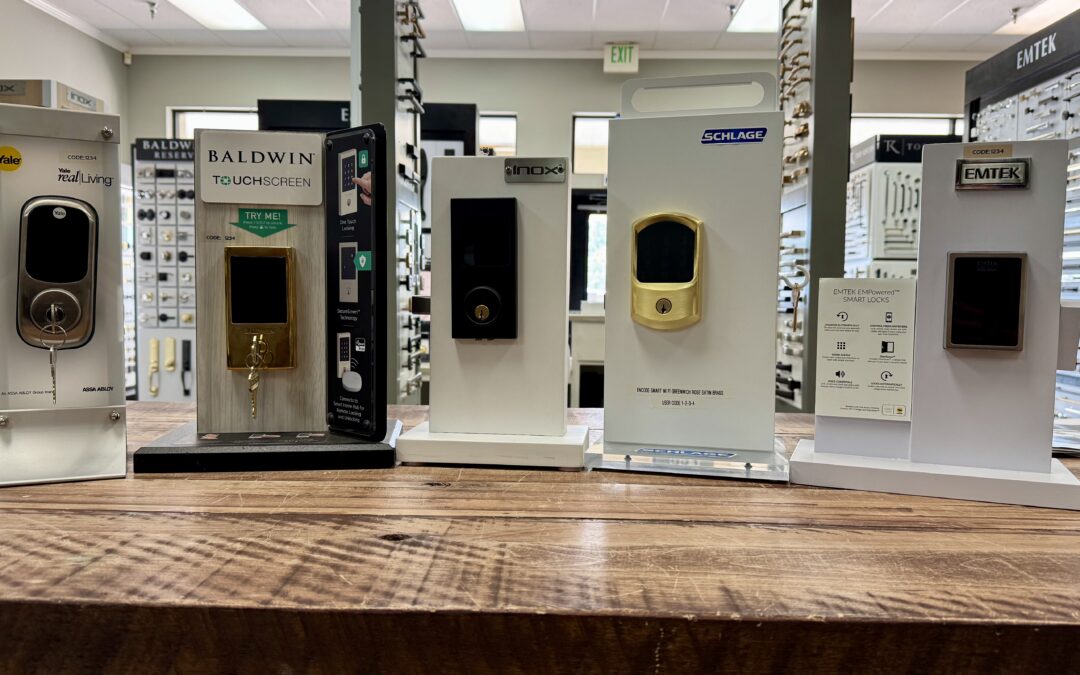
The Pros and Cons of Electronic Deadbolts for Residential Projects
When it comes to home security, the deadbolt has long been a trusted method for locking up and providing peace of mind. However, as technology continues to advance, traditional locks are being replaced with more innovative solutions. One such solution is the electronic deadbolt.
Electronic deadbolts, also known as smart locks, are revolutionizing the way we secure our homes. They offer several benefits but also come with some drawbacks. When considering an electronic deadbolt for your residential project, it is essential to weigh the pros and cons before making a decision. Let us dive into both sides.
Pros of Electronic Deadbolts
Convenience and Keyless Entry
One of the most significant advantages of electronic deadbolts is the ability to eliminate the need for traditional keys. With a smart lock, you can enter your home using a keypad, smartphone app, or even your voice, depending on the model. You no longer need to fumble for keys or worry about losing them.
Remote Access and Control
Many electronic deadbolts offer remote access, allowing homeowners to lock or unlock their doors from anywhere. If you have a guest or service provider, you can unlock the door remotely, even when miles away. Electronic deadbolts are ideal for busy individuals to manage their home security remotely.
Enhanced Security Features
Electronic deadbolts feature options like auto-locking, encryption, and activity logs. The auto-lock feature ensures that your door locks automatically after a set period, reducing the risk of forgetting to lock up. Activity logs track when and by whom the door was unlocked, providing extra peace of mind.
Multiple User Codes
Unlike traditional locks, electronic deadbolts allow you to assign unique codes to different individuals. They are beneficial for families, guests, or service workers. You can also easily add or delete codes, giving you complete control over who has access to your home.
Integration with Smart Home Systems
Many electronic deadbolts integrate seamlessly with other smart home devices, such as security cameras, alarm systems, and smart lighting. You can create a fully automated home security system controlled from a single app or platform.
Cons of Electronic Deadbolts
Dependence on Power and Batteries
Electronic deadbolts require power to function, whether through batteries or hard wiring into an electrical system. These locks have a low battery warning and the ability to bypass if power is lost. Many have backup mechanical keys for emergencies.
Cost
Electronic deadbolts tend to be more expensive than traditional locks, both in terms of initial investment and maintenance. High-end models with advanced features can cost significantly more than their mechanical counterparts. These costs weigh against the convenience and security they provide.
Complexity for Some Users
While electronic deadbolts are convenient, they may not be suitable for everyone. Older adults or individuals who are not tech-savvy may struggle with setting up or using a smart lock. If one is not familiar with technology, a learning curve is associated with programming the lock or troubleshooting issues.
Vulnerability to Environmental Conditions
Extreme weather conditions, such as heavy rain, extreme heat, or cold, can affect the performance of electronic locks. If not designed to withstand these conditions, malfunctions or failure could arise. Check the manufacturer’s specifications to ensure your lock is suitable for your local environment.
Conclusion
Electronic deadbolts offer many benefits, including convenience, enhanced security features, and remote access. They can make everyday life easier and safer, providing ease of mind. However, like any technology, they come with their own set of challenges: battery dependency and higher initial cost.
Assess your specific needs, lifestyle, and security requirements when considering an electronic deadbolt for your residential project. Electronic deadbolts are a great addition to your home for the convenience of remote and keyless entry. However, if you’re looking for a simple, cost-effective solution and are concerned about the potential downsides, a traditional deadbolt may be a better fit.
Ultimately, the choice comes down to balancing the pros and cons based on your priorities and preferences. Whatever you decide, make sure your home security system is robust enough to keep you and your loved ones safe.
Recent Comments